The cultural significance of casinos around the world
Historical Overview of Casinos
Casinos have played a vital role in shaping entertainment and social interaction throughout history. Originating in Italy during the 17th century, they were initially private gambling houses where aristocrats gathered. Over the years, the concept evolved, spreading across Europe and eventually to the Americas, where iconic establishments like Monte Carlo and Las Vegas emerged. Each locale brought its unique flair, influencing local culture and economy. For instance, when you partake in the Ice Fishing game, you engage in a modern take on this rich tradition, blending technology with classic gambling excitement.

The historical significance of casinos extends beyond mere gambling; they have served as cultural hubs. These establishments often reflect the societal norms and values of their times, adapting to changing laws, economic conditions, and social attitudes. As a result, casinos not only offer entertainment but also tell stories of the regions in which they exist, acting as living museums of social history.
Cultural Symbolism of Casinos
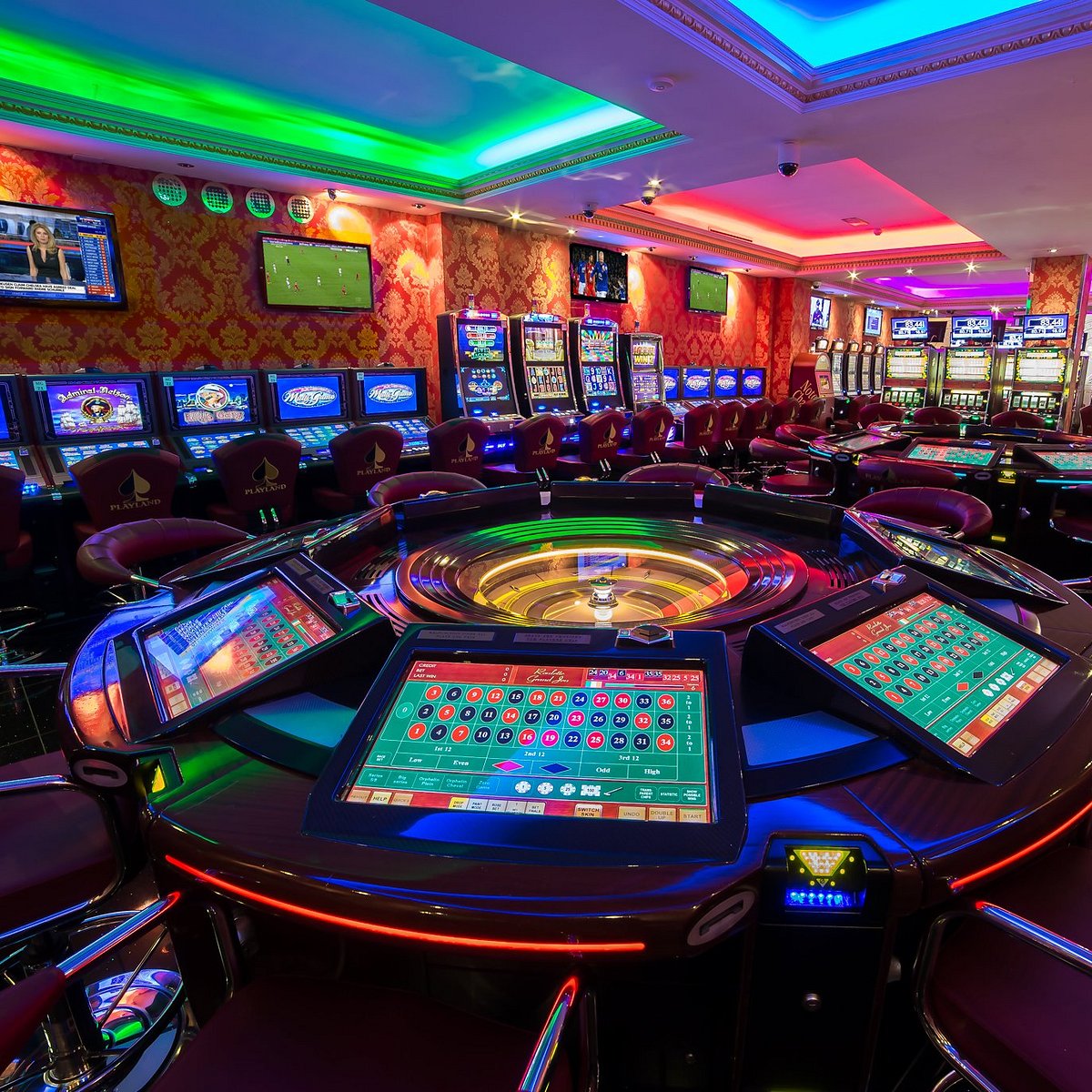
Casinos often symbolize luxury, excitement, and risk-taking. They attract individuals from diverse backgrounds, uniting them under the thrill of chance. This cultural symbolism varies around the world, with some casinos viewed as glamorous playgrounds for the wealthy, while in other regions, they may represent an escape from everyday life. The ambiance within these establishments, marked by opulence and high-stakes games, reinforces their status as cultural icons.
Moreover, casinos contribute to local folklore and narratives. Legends of big wins and disastrous losses circulate among patrons, enriching the communal experience. These stories reflect broader human experiences and emotions, making casinos spaces where individuals confront their hopes, dreams, and fears in a unique context.
Economic Impact of Casinos
Casinos have a substantial economic impact on their regions, driving tourism and creating jobs. Many cities have embraced casinos as a means of revitalization, transforming areas into bustling entertainment hubs. The influx of tourists not only boosts local businesses but also generates significant tax revenue for governments. In regions dependent on tourism, casinos often serve as a lifeline, sustaining local economies.
However, the economic benefits come with challenges, such as potential social issues associated with gambling addiction. As a result, responsible gambling initiatives and regulations have become critical components of the casino industry’s development. Balancing economic growth with community welfare remains an ongoing conversation among stakeholders, making the casino’s impact multifaceted.
Casinos and Social Interaction
Casinos serve as social arenas where people connect and interact. Whether it’s sharing a table game or experiencing live entertainment, these venues foster a sense of community. Many patrons return regularly, forming friendships and networks that enhance their overall experience. This social aspect is particularly significant in cultures where communal activities are highly valued.
Additionally, casinos often host events and competitions that bring people together, enhancing their role as cultural landmarks. From poker tournaments to live concerts, these activities engage the community and create shared experiences, making casinos more than just places to gamble; they become vital centers of social life.
Exploring Casino Culture Online
The rise of online casinos has transformed the gambling landscape, offering new ways for people to engage with casino culture. Virtual casinos allow individuals to participate from the comfort of their homes, breaking geographical barriers. This shift has resulted in a broader audience experiencing the thrill of casino gaming, although it raises questions about community and social interaction.
As online casinos continue to grow, they reflect the changing dynamics of leisure and entertainment. They also prompt discussions about the future of traditional casinos and their ability to adapt to evolving consumer preferences. Understanding this transition is crucial for grasping the broader cultural significance of casinos in a digital age.